Plumbing problems rarely improve without intervention. A small drip, slow-running waste pipe or occasional pressure change may appear manageable, but it can indicate wear, a developing blockage or a concealed fault elsewhere in the system.
Recognising early warning signs allows the cause to be investigated before it leads to water damage, unreliable fixtures or complete loss of service. For homeowners in Buxton, Derbyshire, professional diagnosis is particularly valuable when symptoms recur, affect several outlets or cannot be traced easily.
Warning Signs That Should Not Be Ignored
A plumbing system contains connected supply pipes, valves, taps, appliances, traps and waste pipes. A problem in one part can therefore affect performance elsewhere. The following signs suggest that professional attention may be required.
Water Pressure Has Changed
A sudden reduction in water pressure can result from a partially closed valve, blocked outlet, leaking supply pipe or another restriction. If only one tap is affected, the problem may be local to that fitting. Reduced flow across several outlets can indicate a wider issue.
Pressure that rises and falls unexpectedly should also be assessed. A plumber can test the system and identify whether the cause lies with a fixture, pipework or the incoming supply.
Taps Continue to Drip
A dripping tap may be caused by a worn washer, cartridge, seal or valve component. Although the fault can appear minor, persistent dripping wastes water and may stain the basin or surrounding fittings.
If a tap is difficult to turn off, feels loose or begins leaking around its base, the complete fitting and its connections should be checked rather than treating only the visible drip.
Pipes Make Unusual Noises
Banging, rattling, whistling or vibrating pipes can indicate excessive movement, loose supports, pressure changes or restricted water flow. Gurgling sounds from sinks and baths may instead suggest that air is struggling to move through the waste system.
The timing and location of the noise can help identify its cause. Note whether it occurs when a tap is opened, a toilet is flushed or an appliance drains.
Sinks, Baths or Showers Drain Slowly
A slow drain often develops gradually as hair, soap residue, grease or other material restricts the pipe. More than one slow-running fixture may indicate that the obstruction is located deeper within the waste system.
Repeated use of basic household treatments may not remove the full blockage and could leave the underlying cause unresolved. Professional equipment can locate and clear the restriction more thoroughly.
Unpleasant Drain Odours Persist
Occasional odours may result from debris near the plughole, but persistent smells can point to a dry trap, accumulated waste, poor drainage or a damaged connection.
Odours accompanied by gurgling, slow drainage or water backing up should be investigated promptly. Masking the smell will not correct the fault producing it.
Water Marks Appear on Walls or Ceilings
Yellowing, bubbling paint, damp patches or peeling finishes can indicate concealed water escaping from pipework or fittings. The visible mark may not be directly beneath the leak because water can travel along floors, joists and other surfaces.
A professional plumber can trace the likely source and determine what needs repairing before the affected area becomes more extensive.
The Water Meter Moves When Nothing Is Running
If all taps and water-using appliances are off but the meter continues to register flow, water may be escaping somewhere within the system. Some leaks remain hidden beneath floors, inside walls or outside the property.
Unexplained water use should be investigated rather than waiting for visible damage to appear.
Toilets Keep Running or Flush Poorly
A toilet that continues running after flushing may have a worn or incorrectly operating component within the cistern. Weak flushing, slow refilling or repeated blockages can indicate a separate fault.
These problems may initially be intermittent, but they often become more frequent as components deteriorate. Early attention can restore reliable operation before the toilet stops functioning properly.
Water Collects Around Fixtures
Moisture around the base of a toilet, beneath a sink or next to a bath may result from a failed seal, loose connection or cracked component. Even a small amount of recurring water should be taken seriously.
Dry the area and monitor where the moisture reappears. Avoid repeatedly tightening fittings without identifying the cause, as overtightening can damage connections or seals.
Hot Water Is Unreliable
Changes in hot-water temperature, slow heating or reduced flow can indicate problems with plumbing controls, valves, the cylinder or the heating appliance. The correct diagnosis depends on the type of system installed.
Where hot-water problems occur alongside unusual noises, leaks or pressure changes, professional assessment can determine whether the fault is isolated or connected to the wider system.
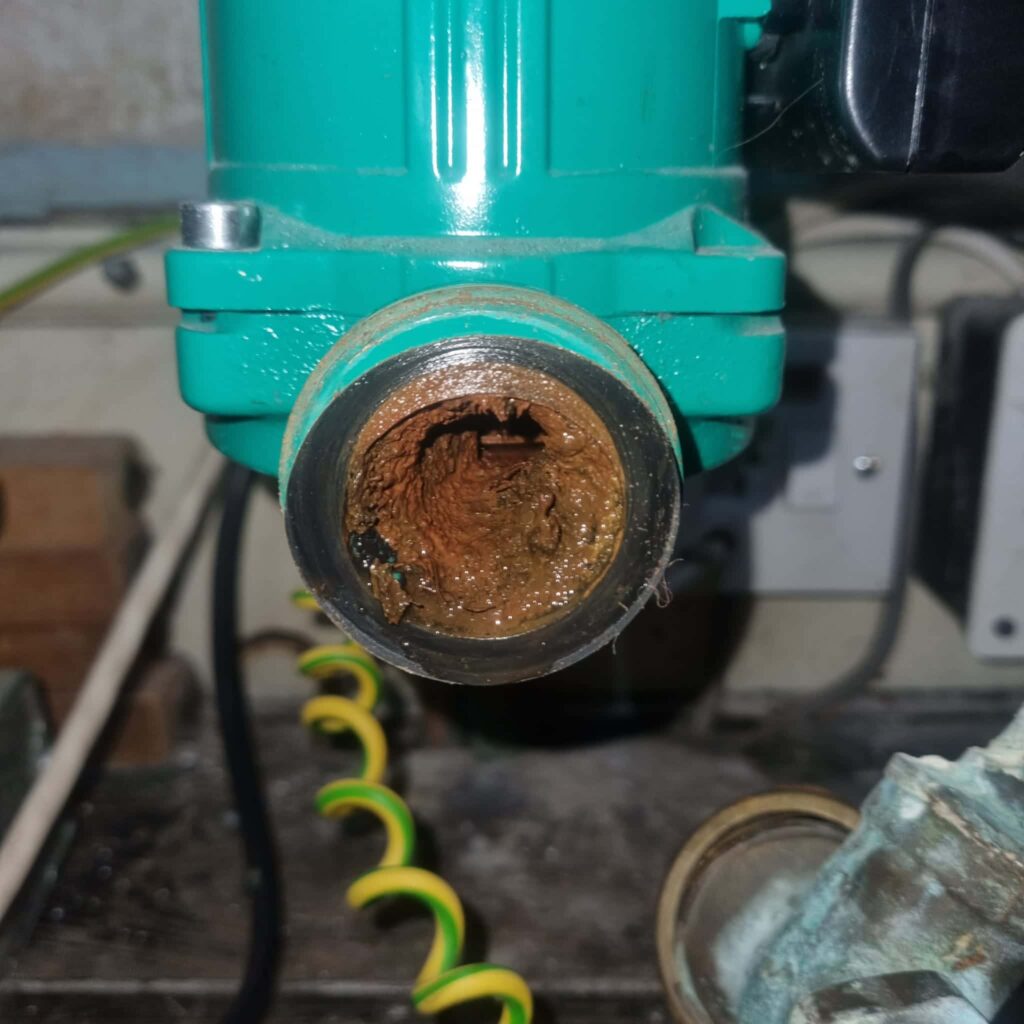
Pipes Show Corrosion or Discolouration
Visible pipework should be checked for green, white or rusty deposits, particularly around joints and valves. These marks may indicate a very small leak or prolonged moisture exposure.
A joint can remain damp without producing an obvious drip. Surface deterioration should therefore be assessed before the pipe or fitting weakens further.
Water Has Changed Colour, Taste or Smell
Temporary changes can sometimes relate to the incoming supply, but persistent discolouration or unusual odours may indicate deterioration within pipework, stored water or a particular fixture.
Compare several cold-water outlets to establish whether the problem affects one tap or the wider property. A plumber can then narrow down the likely source.
Repeated Problems Affect the Same Area
A blockage, leak or pressure issue that repeatedly returns may be a symptom of a deeper fault. Clearing the immediate problem can provide temporary relief without correcting damaged pipework, poor alignment or a recurring obstruction.
Keeping a brief record of when the issue occurs can help the plumber identify patterns and diagnose the underlying cause.
When Prompt Attention Is Particularly Important
Arrange professional help promptly if you notice:
- Rapidly spreading damp
- Water flowing from a concealed area
- Sewage or wastewater backing up
- A significant and unexplained loss of pressure
- Water close to electrical fittings
- A pipe or fitting that has split
- Loss of water to several fixtures
Where water is escaping continuously, use the property’s internal stop tap if it can be reached safely, then seek professional assistance.
Why Professional Diagnosis Matters
The visible symptom does not always reveal the source of a plumbing problem. A damp patch may originate from pipework some distance away, while repeated drain blockages may result from a defect beyond the fixture itself.
A professional plumber can assess connected components, test the system and address the cause rather than repeatedly treating the symptom. This helps prevent unnecessary disruption and reduces the likelihood of the same fault returning.
Conclusion
Early plumbing warning signs include changing water pressure, slow drains, dripping taps, unusual pipe noises, recurring odours and unexplained damp. Prompt investigation can prevent a manageable fault from affecting a larger part of the property.
If you have noticed a developing plumbing problem in Buxton, Derbyshire, contact Buxton Plumbing & Heating to arrange a professional assessment. The team can identify the cause and recommend the most appropriate repair without suggesting unnecessary work.
Call us on: 01298 605 397
Click here to find out more about Buxton Plumbing & Heating
Click here to complete our contact form and see how we can help with your plumbing needs.